
Health & Wellness
The Impact of Art and Music Therapy on Cognitive Health in Elders

Phillip C. Saucedo
Board President
January 24, 2024
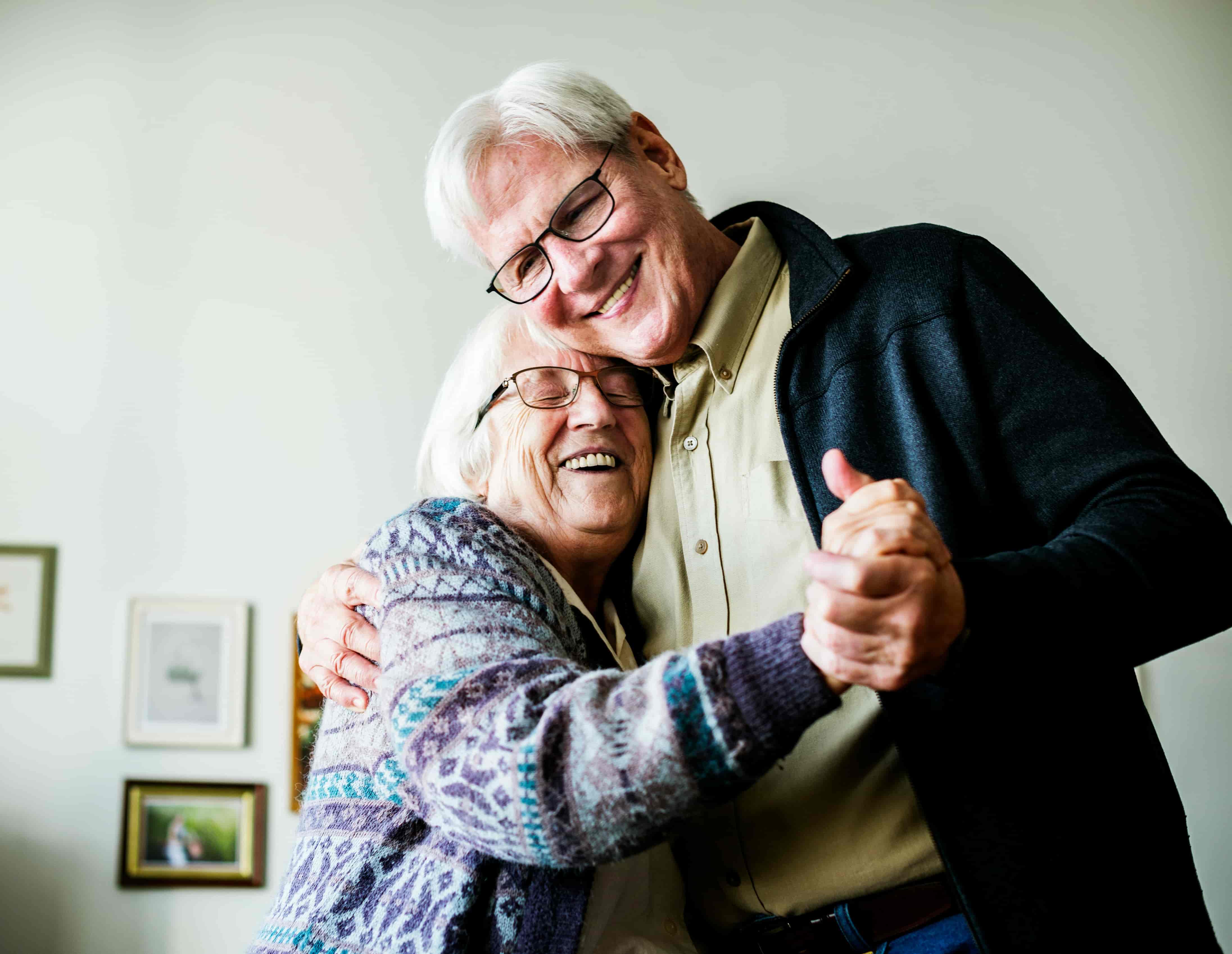
As we age, maintaining cognitive health becomes increasingly important for a fulfilling and vibrant life. Integrated senior living communities, like iCare Communities, recognize the power of creative expression in preserving and enhancing cognitive function. In this blog, we explore the transformative impact of art and music therapy on the cognitive health of elders.
Understanding Cognitive Health in Aging
Cognitive health encompasses various mental processes, including memory, problem-solving, attention, and language. Aging can bring changes to cognitive function, and seniors may face challenges such as memory loss, decreased processing speed, and difficulty concentrating. Addressing cognitive health is crucial for maintaining overall well-being and independence.
The Therapeutic Power of Art
Art therapy involves the use of creative techniques to improve mental well-being. For seniors, engaging in artistic activities can have a profound impact on cognitive health. Here's how art therapy contributes to cognitive well-being:
1. Stimulating Neural Pathways: Creating art requires complex cognitive processes. Engaging in activities like painting, drawing, or sculpting stimulates neural pathways, promoting brain plasticity and enhancing overall brain health.
2. Enhancing Memory: Art therapy can improve memory recall by encouraging the creation of visual and spatial associations. This is especially beneficial for seniors experiencing age-related memory changes.
3. Encouraging Emotional Expression: Art provides a non-verbal outlet for emotional expression. Seniors can communicate complex feelings and experiences through art, fostering emotional well-being and reducing stress.
4. Boosting Problem-Solving Skills: Artistic activities often involve problem-solving and decision-making. Engaging in these activities regularly helps seniors sharpen their cognitive skills and maintain mental agility.
The Rhythms of Cognitive Well-being with Music Therapy
Music therapy harnesses the power of sound and rhythm to promote physical and mental health. For elders, music therapy positively impacts cognitive health in various ways:
1. Memory Recall and Association: Music has a unique ability to evoke memories and emotions. Listening to familiar tunes or participating in musical activities can stimulate memory recall and improve cognitive function.
2. Cognitive Stimulation: Engaging with music requires various cognitive processes, including attention, pattern recognition, and auditory perception. This stimulation helps maintain and strengthen cognitive abilities.
3. Mood and Emotional Well-being: Music has a profound impact on mood and emotions. Music therapy can alleviate symptoms of depression and anxiety, promoting overall well-being and reducing agitation and restlessness in seniors.
4. Social Engagement: Group music activities promote social interaction. This sense of community and shared experience contributes to cognitive health by fostering social connections and reducing feelings of isolation.
Integration into Daily Activities in Senior Living Communities
Integrated senior living communities recognize the value of art and music therapy and incorporate these activities into daily programming. Whether through dedicated art classes, group sing-alongs, or simply providing access to creative materials, these communities ensure that seniors have regular opportunities to engage in artistic and musical pursuits.
Personalized Approaches to Cognitive Well-being
Each individual's cognitive health journey is unique. Integrated senior living communities, like iCare Communities, take a personalized approach to cognitive well-being. Art and music therapy activities are tailored to the interests and abilities of residents, ensuring that everyone can participate and experience the cognitive benefits.
Family Involvement and Support
Family involvement is encouraged in art and music therapy programs. Family members are often invited to participate in or attend creative sessions, fostering intergenerational connections and supporting the cognitive health of their loved ones.
Conclusion: A Harmonious Approach to Cognitive Well-being
In conclusion, the impact of art and music therapy on cognitive health in elders is both profound and harmonious. These creative expressions not only stimulate cognitive function but also contribute to emotional well-being, social engagement, and a sense of purpose. Integrated senior living communities like iCare Communities recognize the transformative power of artistic and musical activities, fostering environments where cognitive health thrives through the beauty of creative expression.
To learn more about our approach to cognitive well-being through art and music therapy, visit iCare Communities. Explore the possibilities of a community where creativity is celebrated, and cognitive health is nurtured through the harmonious notes of art and music.