
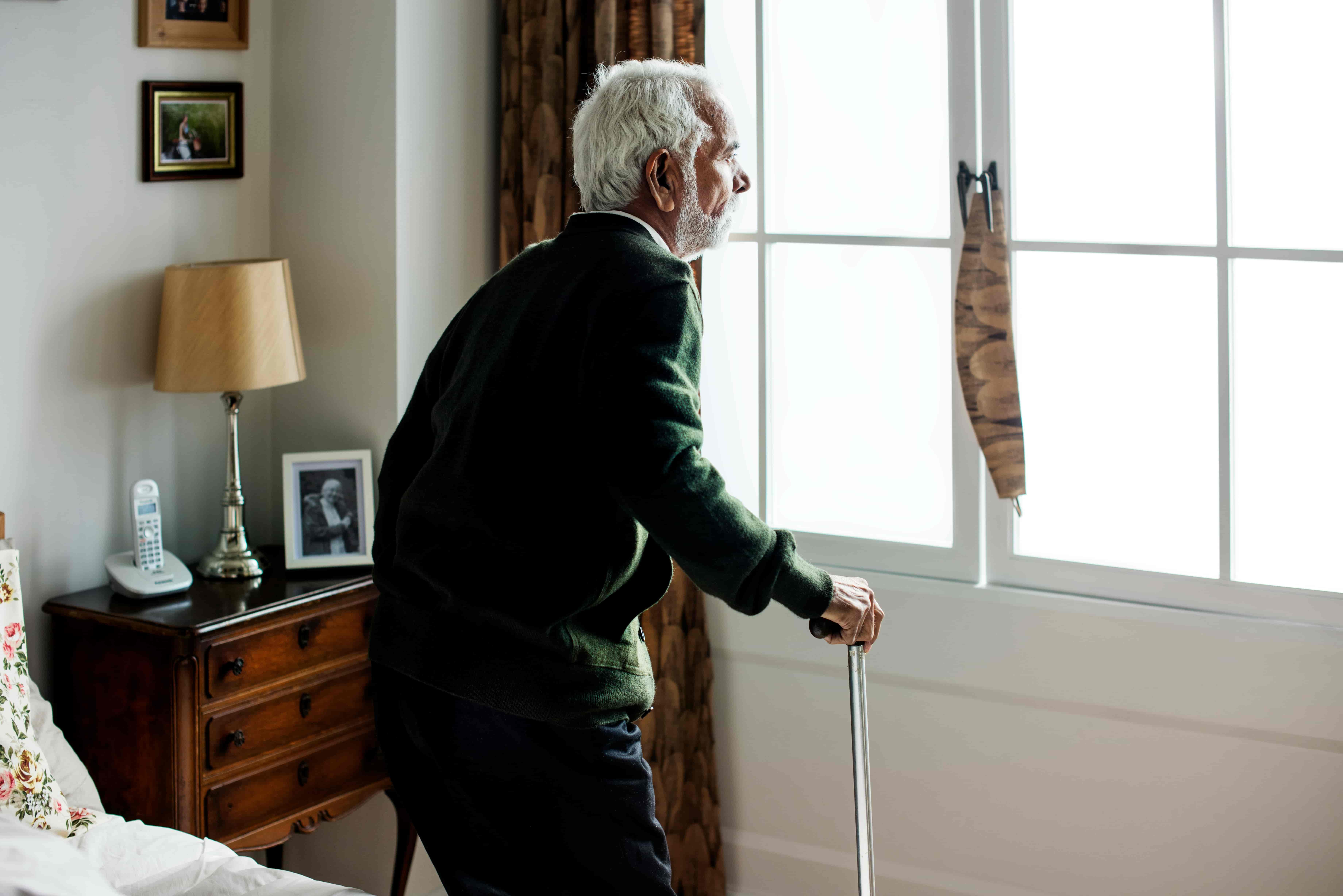
I have been a long-time advocate for senior care communities. I believe that these communities are essential for seniors who want to remain active and engaged in their community.
As a long-time advocate for senior care communities, I have seen firsthand how these communities can make a huge difference in the lives of seniors. These communities provide a safe and supportive environment where seniors can connect with others, stay active, and enjoy life.
In addition to providing a safe and supportive environment, senior care communities also offer a variety of programs and activities that can help seniors maintain their independence and quality of life. These programs may include:
- Social activities
- Exercise classes
- Educational programs
- Recreational programs
- Arts and crafts classes
- Volunteer opportunities
These programs can help seniors stay active, engaged, and connected to their community. They can also help them maintain their independence and quality of life.
The Root Causes of Loneliness in Senior Care Communities
Understanding the root causes of loneliness among seniors is crucial for developing effective interventions. Several factors contribute to loneliness of isolation, particularly in senior care communities. These include:
- Loss of Social Connections: As people age, they may find that their roles in life have diminished. Without a sense of purpose—such as caring for a family, working, or participating in meaningful activities—seniors may begin to feel disconnected and isolated.
- Communication Barriers: Hearing or vision impairments can make it difficult for seniors to communicate effectively with others. In senior care communities, this can lead to misunderstandings or feelings of exclusion, further exacerbating loneliness.
- Lack of Purpose or Meaning: As people age, they may find that their roles in life have diminished. Without a sense of purpose—such as caring for a family, working, or participating in meaningful activities—seniors may begin to feel disconnected and isolated.
The Impact of Loneliness on Seniors' Health
Loneliness has a profound impact on both the mental and physical health of older adults. The negative effects of loneliness extend far beyond mere sadness or boredom. Some of the most concerning impacts include:
- Increased Risk of Depression: Loneliness and depression often go hand in hand. Seniors who feel isolated are at a higher risk of developing depression, which can in turn exacerbate feelings of loneliness in a vicious cycle.
- Cognitive Decline: Social interaction is essential for maintaining cognitive health. Seniors who experience loneliness are more likely to experience a decline in cognitive function, including memory loss and impaired decision-making abilities.
- Weakened Immune System: Social isolation can weaken the immune system, making seniors more susceptible to infections and other illnesses. This weakened immune response can lead to a variety of health issues, including delayed recovery times.
- Higher Mortality Rates: Research has shown that seniors who feel lonely are at a higher risk of early death. The physical and mental toll of chronic loneliness can lead to conditions such as heart disease, high blood pressure, and stroke.
Addressing Loneliness: Solutions for Senior Care Communities
Fortunately, there are several strategies that senior care communities can implement to reduce loneliness and foster a sense of connection among their residents. These strategies not only promote social engagement but also improve the overall quality of life for seniors.
- Foster a Sense of Community: One of the most effective ways to combat loneliness is by fostering a strong sense of community. At iCare Communities, this can be achieved by encouraging residents to participate in group activities and social events. Regularly scheduled activities such as exercise classes, book clubs, and game nights provide opportunities for seniors to bond with others who share similar interests.
- Promote Intergenerational Interaction: Intergenerational programs, where children, teenagers, or young adults interact with seniors, can be incredibly beneficial. These interactions provide opportunities for seniors to share experiences, learn from younger generations, and feel a renewed sense of purpose. Whether it's through regular visits from schools, play dates, or volunteer work, these interactions can help seniors feel valued and appreciated.
- Encourage Peer Support and Social Groups: Creating smaller peer groups within a larger community can make social interactions feel more personal and meaningful. Support groups for seniors with similar experiences—whether related to health conditions, hobbies, or personal interests—can help build strong social bonds. At iCare Communities, these groups can meet regularly, providing much-needed support and companionship.
- Emphasize Physical Health and Wellness: Encouraging physical activity is another way to combat loneliness in a fun and engaging way. At iCare Communities, this can be achieved by encouraging residents to participate in group activities and social events. Regularly scheduled activities such as exercise classes, book clubs, and game nights provide opportunities for seniors to bond with others who share similar interests.
- Leverage Technology to Stay Connected: Technology offers many ways to combat loneliness in a fun and engaging way. At iCare Communities, this can be achieved by encouraging residents to participate in group activities and social events. Regularly scheduled activities such as exercise classes, book clubs, and game nights provide opportunities for seniors to bond with others who share similar interests.
Conclusion
Addressing loneliness is an important goal. It is one that can be overcome with the right strategies. By fostering a sense of community, promoting intergenerational interaction, and encouraging peer support, we can create a vibrant and fulfilling community for seniors.